Mohanman Shaktiman

  • Home
  • About Us
    • Vision
    • Organization
    • Management Team
  • Products & Services
    • Drill & Blast
      • Packaged Explosives
      • Detonators & Initiating systems 
    • Mechanized Tunneling 
      • TBM Tunneling  
      • Parts & Services
      • Various Machines
    • Services
      • NOC & Regulatory Permit
      • Escorted Logistics Services
      • Site Army and Blast Management Services 
      • Bunker & Army Camp Construction
      • Geotechnical Consulting 
    • Technical Support 
  • News & Media
    • News
    • Notice & Publications
    • FAQ`s

Mohanman Shaktiman

  • Home
  • About Us
    • Vision
    • Organization
    • Management Team
  • Products & Services
    • Drill & Blast
      • Packaged Explosives
      • Detonators & Initiating systems 
    • Mechanized Tunneling 
      • TBM Tunneling  
      • Parts & Services
      • Various Machines
    • Services
      • NOC & Regulatory Permit
      • Escorted Logistics Services
      • Site Army and Blast Management Services 
      • Bunker & Army Camp Construction
      • Geotechnical Consulting 
    • Technical Support 
  • News & Media
    • News
    • Notice & Publications
    • FAQ`s
  • Home
  • About Us
    • Vision
    • Organization
    • Management Team
  • Products & Services
    • Drill & Blast
      • Packaged Explosives
      • Detonators & Initiating systems 
    • Mechanized Tunneling 
      • TBM Tunneling  
      • Parts & Services
      • Various Machines
    • Services
      • NOC & Regulatory Permit
      • Escorted Logistics Services
      • Site Army and Blast Management Services 
      • Bunker & Army Camp Construction
      • Geotechnical Consulting 
    • Technical Support 
  • News & Media
    • News
    • Notice & Publications
    • FAQ`s

Mohanman Shaktiman

Mohanman Shaktiman

  • Home
  • About Us
    • Vision
    • Organization
    • Management Team
  • Products & Services
    • Drill & Blast
      • Packaged Explosives
      • Detonators & Initiating systems 
    • Mechanized Tunneling 
      • TBM Tunneling  
      • Parts & Services
      • Various Machines
    • Services
      • NOC & Regulatory Permit
      • Escorted Logistics Services
      • Site Army and Blast Management Services 
      • Bunker & Army Camp Construction
      • Geotechnical Consulting 
    • Technical Support 
  • News & Media
    • News
    • Notice & Publications
    • FAQ`s
News
HomeNews
tunnel
NewsNewsPUBLICATIONS
November 12, 2025 By mmsmccom

How to minimize explosive cost using smart blasting

Abstract:
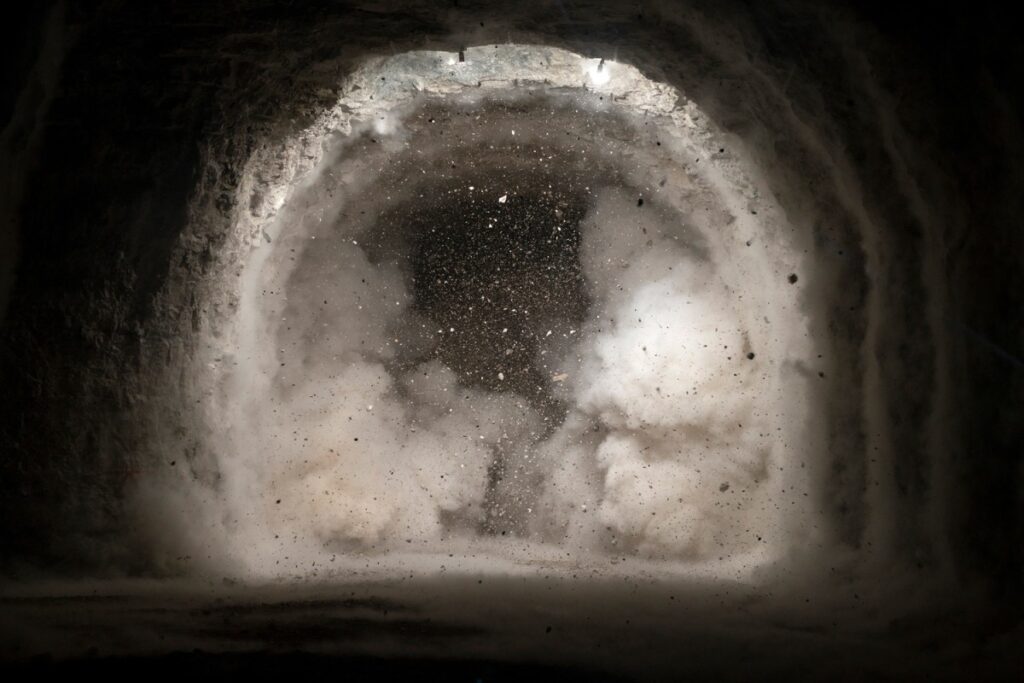
Blasting operations in Nepal’s hydropower, road, and mining sectors are essential yet costly. A significant portion of explosive-related expenditure can be minimized through the application of smart blasting principles involving rock mass characterization, precision design, proper explosive selection, and post-blast analysis.

Introduction

The rapid development of Nepal’s infrastructure has led to increased use of explosives in civil engineering and mining. Traditional blasting methods often result in high costs, poor fragmentation, excessive overbreak, and safety risks. This article outlines how smart blasting practices can reduce explosive costs while maintaining or improving blast performance.
  1. Rock Mass Characterization

The selection and quantity of explosives must align with rock type and condition. Nepal features a diverse geological profile from hard rock formations to fractured weak rock layers.

  • Hard, massive rock requires less energy for clean fragmentation.
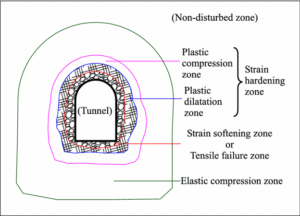
  • Highly fractured or weak rock is susceptible to overbreak with conventional blasting.

Recommendation: Implement pre-blast rock classification using RMR or Q-system to optimize powder factor accordingly.

  1. Blast Design Optimization

Modern blast design involves accurate planning of burden, spacing, hole depth, and initiation timing.

  • Use tools like SHOTPlus, AUTOCAD, or OTHERS software for simulation.
  • Adjust burden and spacing based on bench height and rock type.
  • Use decking in weak or mixed geological zones.
  1. Use of Delay and Electronic Detonators

Precision in initiation timing improves energy distribution, reduces overbreak, and enhances muck pile shape.

  • Nonel (non-electric) or electronic detonators are recommended over conventional systems.
  • Delay intervals that is milliseconds delay can significantly reduce vibrations and improve fragmentation for Surface
  1. Explosive Selection

The type of explosive should match site conditions:

Note: Always match explosive type with moisture conditions and desired energy output.

Explosive Type

Use Case

Cost Level

ANFO

Dry and accessible sites

Low

Emulsion

Water-bearing tunnels, shafts

Moderate

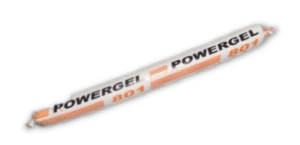
Cartridge

Precise or restricted space

High

  1. Blast Monitoring and Feedback

Post-blast evaluation should include:
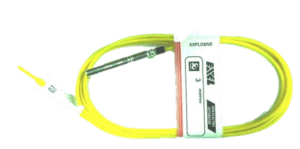
  • Pull efficiency
  • Fragmentation analysis
  • Vibration monitoring
  • Overbreak volume

These metrics inform future adjustments, improving consistency and reducing cost per cubic meter.

  1. Logistical Considerations

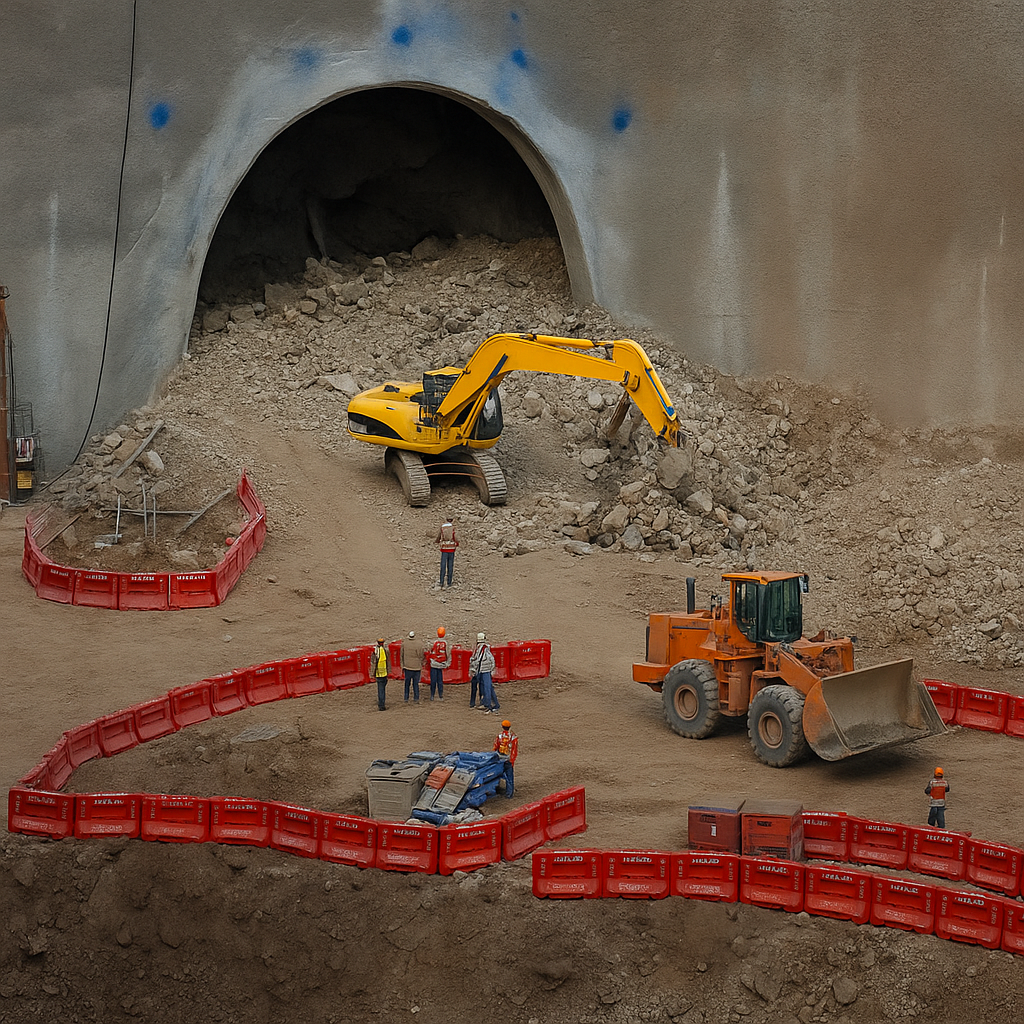
Remote tunneling and hydropower project sites in Nepal face high transportation costs and logistical challenges in the supply of explosives. To address these issues while maintaining safety and efficiency, the following measures can be adopted:

Efficient and safe handling of explosives in remote tunneling projects requires careful planning of logistics. The main considerations include:

  • Transportation Routes
    • Mountainous terrain, narrow roads, and seasonal blockages (landslides, snow, floods) increase risks and costs.
    • Vehicles should comply with explosive transport regulations and be equipped with fire extinguishers, warning signs, and safety gear.
  • Security & Regulations
    • Explosives transport requires coordination with local administration, police, and the Department of Explosives.
    • Proper documentation, permits, and escorts are often mandatory.
  • Storage Facilities
    • Regional magazines & Bunkers should be located at safe distances from settlements, water bodies, and project offices.
    • Facilities must meet licensing requirements, with fencing, guards, and blast-proof structures.
  • Supply Chain Coordination
    • Establish agreements with suppliers to ensure timely delivery.
    • Minimize overstocking at site (safety hazard) and understocking (work delays).
    • Synchronize blasting schedules with delivery timelines.
  • Cost Management
    • Transport to remote sites significantly adds to project cost.
    • Bulk procurement and shared magazines across multiple projects can reduce expenses.
  • Emergency Preparedness
    • Contingency plans for accidents during transport or storage.
    • Training of drivers, blasting crew, and security staff in emergency response.

Conclusion

Smart blasting is a multidisciplinary approach that blends field geology, engineering design, and modern technology. It is particularly suitable for Nepal’s variable terrain and infrastructure challenges.

Implementing smart blasting not only reduces direct explosive costs but also improves overall project efficiency, safety, and environmental impact.
READ MORE
Feature tunnel
NewsPUBLICATIONS
June 13, 2025 By mmsmccom

नेपालमा सुरुङ निर्माणको भविष्य र विस्फोटक पदार्थहरूको भूमिका

नेपाल एक विकासशील देश हो, जहाँ जनताको आर्थिक उन्नतिका लागि आधारभूत संरचनाको विकास गर्नु अत्यावश्यक छ। नेपालमा सुरुङ निर्माणको सुरुवात सन् १९१७ मा भएको हो, जब काठमाडौं र रक्सौलबीच व्यापार सुगम बनाउन लगभग ५०० मिटर लामो चुरे सुरुङ (राजमार्ग सुरुङ) बनाइएको थियो। भूमिगत स्थानको उपयोग नेपालमा नयाँ होइनस प्राचीन कालदेखि नै मानिसहरूले तामा, फलाम, क्वार्ट्ज सिलिका, कोबाल्ट, निकेल र अन्य रंगीन धातुहरू निकाल्न साना सुरुङ र गुफाहरू खनेर यसको प्रयोग गर्दै आएका छन्। हालैका वर्षहरूमा मध्यम क्षमताका जलविघुत परियोजनाहरू बढेसँगै सुरुङ निर्माणको कार्य पनि धेरै बढेको छ। नेपालमा सुरुङ र भूमिगत संरचनाहरू मुख्य रूपमा चार प्रमुख क्षेत्रहरूमा आवश्यक छन् :

१. पानी प्रवाह (जलस्रोत प्रबन्धन)

२. सडक सुरुङ

३. खानी

४. खाद्य भण्डारण

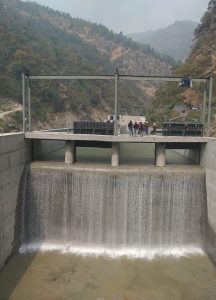
नेपालमा आधुनिक र संगठित तरिकाले सुरुङ निर्माणको सुरुवात सन् १९७० मा तिनाउ जलविद्युत आयोजना (बुटवल नजिक) बाट भएको हो, जसमा पहिलो पटक सुरुङ र भूमिगत पावर हाउस बनाइएको थियो। त्यसपछिका वर्षहरूमा यहाँ १०० किलोमिटरभन्दा बढी लामा सुरुङहरू निर्माण भइसकेका छन्। यसको उदाहरण मेलम्ची खानेपानी आयोजनाको २५.९ किलोमिटर लामो सुरुङ हो, जुन अहिलेसम्मको सबैभन्दा लामो सुरुङ हो। धेरै अन्य सुरुङहरू हाल नेपालमा निर्माणाधीन अवस्थामा छन्। यसैगरी, नागढुंगा सुरुङ (देशको पहिलो राजमार्ग सुरुङ आयोजना) निर्माणको अन्तिम चरणमा पुगेको छ, जसले नेपालको पूर्वाधार विकासमा ठूलो प्रगतिको संकेत दिन्छ।

 नेपालमा विस्फोटक पदार्थको प्रयोग र यसको विकास

विश्वभरका जटिल भूगर्भीय क्षेत्रहरूमा जस्तै नेपालमा पनि सुरुङ निर्माणका लागि विस्फोटकको प्रयोग अपरिहार्य छ। देशमा विस्फोटकको उपयोगको इतिहास सन् २००० देखि सुरु भएको हो, जुन सुरुवाती चरणमा प्रमुख रूपले खनन कार्य र सडक निर्माणसम्म सीमित थियो। वर्तमान समयमा यस प्रविधिले सुरुङ निर्माण र अन्य जटिल पूर्वाधार परियोजनाहरूमा केन्द्रीय भूमिका निर्वाह गरिरहेको छ।    

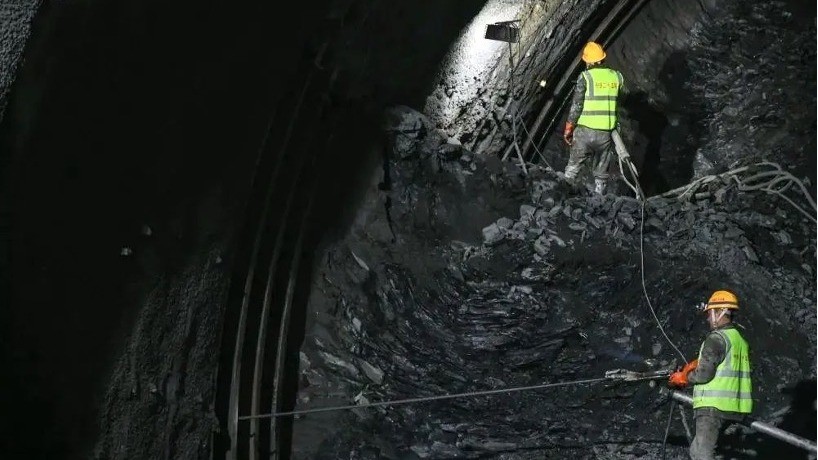
नेपालमा सुरुङ निर्माणको प्रमुख विधि ‘ड्रिल एण्ड ब्लास्टु’ (Drill and Blast) हो। यस विधिमा चट्टानमा ड्रिलिङ गरी प्वालहरू बनाइन्छ र तिनमा विस्फोटक राखेर विस्फोट गरिन्छ, जसले गर्दा चट्टान चूर्ण भई टुक्रा हुन्छ। यद्यपि यो प्रविधि कार्यक्षम भए तापनि, विशेषतः अस्थिर चट्टानी संरचनामा अत्यधिक चट्टान भत्किने (Overbreak) समस्या उत्पन्न हुन सक्छ। यसले निर्माण खर्च बढाउनुका साथै सुरक्षा सम्बन्धी जोखिम पनि बढाउँछ।
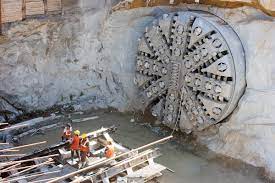
२०२५ सम्म नेपालले सुरुङ निर्माणका विभिन्न परियोजनाहरूमा डेटोनेटर, पहल प्रणाली, प्याक गरिएको विस्फोटक लगायत विभिन्न प्रकारका विस्फोटक सामग्रीहरू प्रयोग गरिसकेको छ। यी विस्फोटक सामग्रीहरूको चयन वातावरणीय परिस्थिति, भूगर्भीय बनावट, र सामग्रीको उपलब्धताको आधारमा सतर्कतापूर्वक गरिन्छ।

नेपालको जटिल भूगर्भीय संरचनाहरू अझै पनि ठूला चुनौतीपूर्ण छन्। यस समस्याको समाधानका लागि देशले अब ‘टनल बोरिङ मेशिन’ (TBM) प्रविधि अपनाउँदै गरेको छ। यस प्रविधिको प्रयोगले सुरुङ निर्माण कार्य छिटो, सुरक्षित र पर्यावरण अनुकूल बनाउँछ, जुन नेपालजस्तो जटिल भौगोलिक अवस्था भएको देशका लागि विशेष उपयोगी छ।

नेपालमा सुरुङ निर्माणको क्षेत्र उज्ज्वल सम्भावनाले भरिएको छ। जलबिद्धुत उत्पादन, यातायात व्यवस्था र अन्य आधारभूत संरचना विकासका परियोजनाहरूसँगै यस क्षेत्रमा आधुनिक प्रविधिको प्रचलन तीव्र गतिमा बढ्दै गइरहेको छ। यद्यपि प्रारम्भिक चरणहरूमा विस्फोटक प्रविधिको प्रयोग गरिएको थियो, तर अहिले संगसंगै आघुनीक प्रविधिको पनि प्रयोग हुदै आएको छ जस्तैः टनेल बोरिङ मेसिन (TBM)। यसले देशको दिगो आधारभूत विकासमा महत्त्वपूर्ण र टिकाऊ योगदान दिने अपेक्षा गरिएको छ।
READ MORE
feature
NewsPUBLICATIONS
June 3, 2025 By mmsmccom

सुरुङ निर्माणमा नियन्त्रित विस्फोटन: प्रविधि र विस्फोटकको छनोट

नेपालमा जलविधुतीय, सडक सुरुङ, तथा खानेपानी आयोजनाजस्ता पूर्वाधारहरूको तीव्र विकाससँगै सुरुङ निर्माण परियोजना उल्लेखनीय वृद्धि भएको छ। हिमाली भूभाग र जटिल भूगर्भीय बनावटका कारण, यस्ता परियोजनाहरूमा नियन्त्रित विस्फोटन (Control Blasting) एउटा सुरक्षित र प्रभावकारी खनन विधिका रूपमा प्रयोगमा आएको छ। यसको मुख्य उद्देश्य भनेको संरचनात्मक स्थिरता कायम राख्दै, वातावरणीय क्षति न्यूनीकरण गर्नु र कामदार तथा वरपरका समुदायको सुरक्षा सुनिश्चित गर्नु हो। यसैले, नेपालको जटिल भूपरिवेशमा नियन्त्रण गरिएको विस्फोटन केवल प्राविधिक उपाय मात्र नभई एक रणनीतिक विकल्प पनि बनेको छ।
नेपालमा नियन्त्रित विस्फोटनको कार्यविधि

नियन्त्रित विस्फोटन प्रक्रिया प्रारम्भमा विस्तृत भूगर्भीय र प्राविधिक अध्ययनबाट सुरु हुन्छ। नेपालको भौगोलिक विविधताका कारण ग्रेनाइट, चुनढुङ्गा, र अन्य नरम चट्टानहरू विभिन्न स्थानमा पाइन्छन्, जसअनुसार विस्फोटन डिजाइन (Design) फरक हुन्छ।

इन्जिनियरहरूको सहायताले विशेष ढाँचामा ड्रिलिङ होलहरू खनिन्छन् जस्तै:

  • कट होलहरू: सुरुङको केन्द्र भागमा प्रारम्भिक विस्फोटनका लागि।
  • लिफ्टर होलहरू: भुइँ चट्टान निकाल्नका लागि तल्लो भागमा।
  • पेरिमीटर होलहरू: सुरुङको सटीक रूप र सीमाना निर्धारण गर्न।
    यी प्वालहरूको स्थान, कोण र गहिराइ चट्टानको किसिम अनुसार तय गरिन्छ ताकि अव्यवस्थित रूपमा विस्फोटन कम होस् र सुरुङको आकार सटीक रहोस्।

प्रमुख नियन्त्रित विस्फोटन प्रविधिहरू

  • स्मूथ विस्फोटन – भित्ताहरूलाई समतल र स्थिरराखी हल्का विस्फोटकसहित नजिकै ड्रिल गरिन्छ।
  • पूर्व विभाजन – मुख्य विस्फोटन भन्दा अघि चिरा पारेर अव्यवस्थित रूप न्यूनीकरण गरिन्छ।
  • कुशन विस्फोटन – मुख्यतया सुरुङको छेउ भागमा प्रयोग हुने प्रविधि जसले भित्ताहरू सुरक्षित राख्छ।
  • डिले विस्फोटन – प्वालहरू क्रमशः मिलिसेकेन्डको फरकमा विस्फोट गरिन्छ, जसले कम्पन र क्षति घटाउँछ।

विस्फोटक छनोट

विस्फोटक सामग्रीको छनोट चट्टानको प्रकृतिमा आधारित हुन्छ

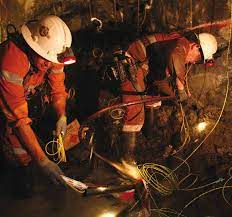
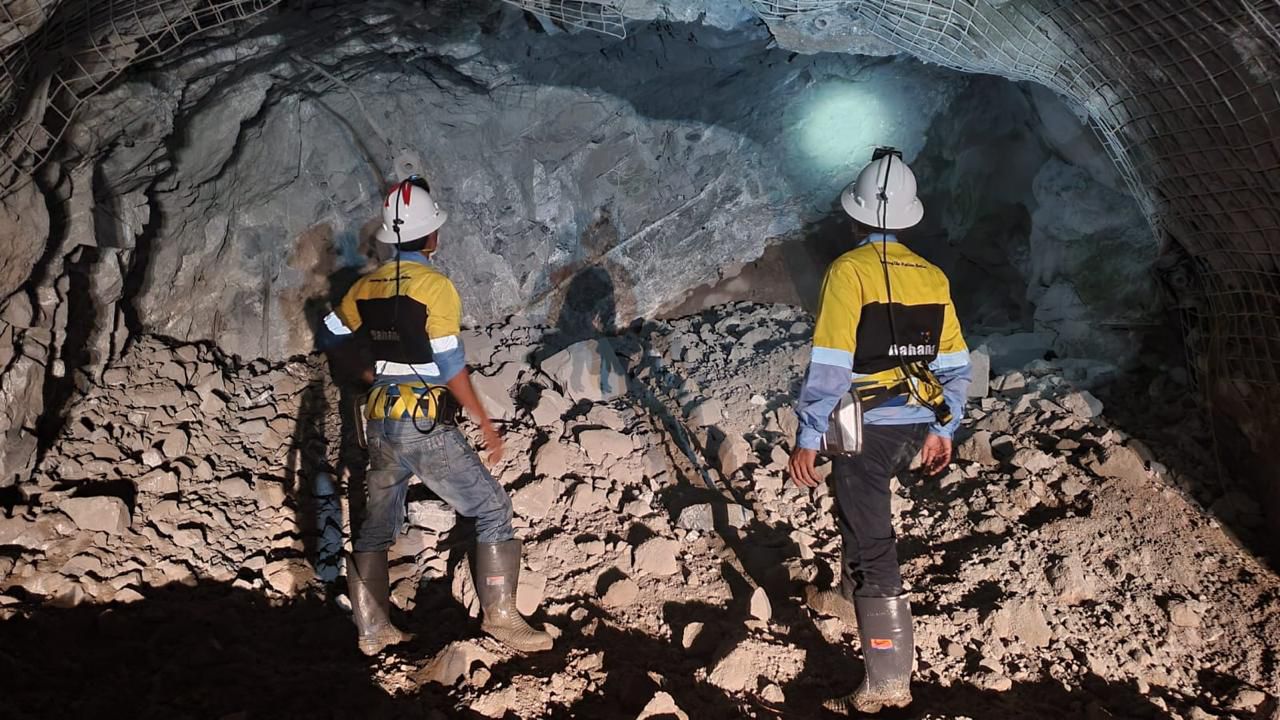
  • कठोर चट्टानहरू जस्तै ग्रेनाइट, दर्शनढुङ्गा– उच्च शक्तिका विस्फोटक जस्तै इमल्सन Emulsion) वा एएनएफओ (ANFO – Ammonium Nitrate Fuel Oil) प्रयोग गरिन्छ । यी विस्फोटकहरूको डिटोनेसन वेग (Detonation Velocity) र उर्जात्मक क्षमता उच्च हुन्छ ।
  • मध्यम कठोर चट्टानहरू जस्तै चुनढुङ्गा – मध्यम श्रेणीका विस्फोटकहरू उपयुक्त हुन्छन्।
  • नरम चट्टानहरू – जस्तै सिल्टस्टोन कम ऊर्जा दिने विस्फोटक प्रयोग गरिन्छ ताकि अनावश्यक क्षति नहोस्।

आधुनिक प्रविधिको प्रयोग: इलेक्ट्रोनिक डिटोनेटर

हालका वर्षहरूमा सुरुङ निर्माणमा नन–इलेक्ट्रिक (NONEL) वा इलेक्ट्रिक क्याप (Electric Caps) को तुलनामा, इलेक्ट्रोनिक डेटोनेटरहरूले (Electronic Detonators – EDs)  मिलिसेकेन्ड स्तरमा उच्च सटीकता प्रदान गर्छन्, जसले विस्फोट नियन्त्रण, सुरक्षा, र परिणाममा उल्लेखनीय सुधार ल्याएको छ।

यस प्रविधिका विशेषताहरू:

  • विस्फोट समयको अत्यन्त उच्च सटीकता (मिलिसेकेन्डको अन्तरमा विस्फोट)
  • विस्फोटनको राम्रो नियन्त्रण
  • कम कम्पन
  • संरचनात्मक जोखिममा उल्लेखनीय कमी
  • अधिक सुरक्षित कार्य वातावरण

नेपालजस्तो जटिल भूगर्भीय संरचना भएको मुलुकमा, यो प्रविधि प्रभावकारी मात्र नभई अत्यावश्यक बनिसकेको छ।

READ MORE
tunneling
PUBLICATIONSNews
May 29, 2025 By mmsmccom

Future of tunneling & How explosives are shaping in Nepal

Nepal is a developing country, which needs to accelerate in developing its crucial infrastructures for the economic prosperity of the people living. Tunneling in Nepal started in 1917 with the first tunneling project the Churia Tunnel which is a highway tunnel of 500 meters long that facilitate trade between Kathmandu and Raxaul. The use of underground space is not new and people in this country have used underground space for many years, with early miners digging small tunnels and caves to get minerals like copper, iron, lead, cobalt, nickel, and different colored stones. In recent past the tunneling activities have increased considerably in the country with the development of many medium scale hydropower projects.  
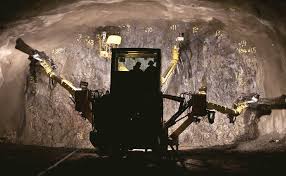
Tunnels and underground caverns in Nepal are primarily required in four key areas:

  1. Water conveyance
  2. Transportation
  3. Mining, and
  4. Food storage facilities.

Modern and institutionalized tunneling in Nepal began with the excavation of tunnels and an underground powerhouse for the Tinau Hydroelectric Project near Butwal in 1970, marking the beginning of approximately 75 kilometers of tunnel construction. Numerous hydropower development projects have been implemented till date, along with the country’s first road tunnel construction project, the Nagdhunga Tunnel which is now nearing completion. In Nepal, major rivers originate in the Himalayas and hold substantial potential for hydropower generation. Moreover, the future of tunneling in Nepal looks promising with several ongoing and planned projects mostly related with transportation and Hydropower. These projects are indicating the growth in Nepal’s infrastructure development.
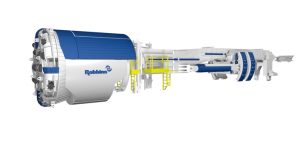
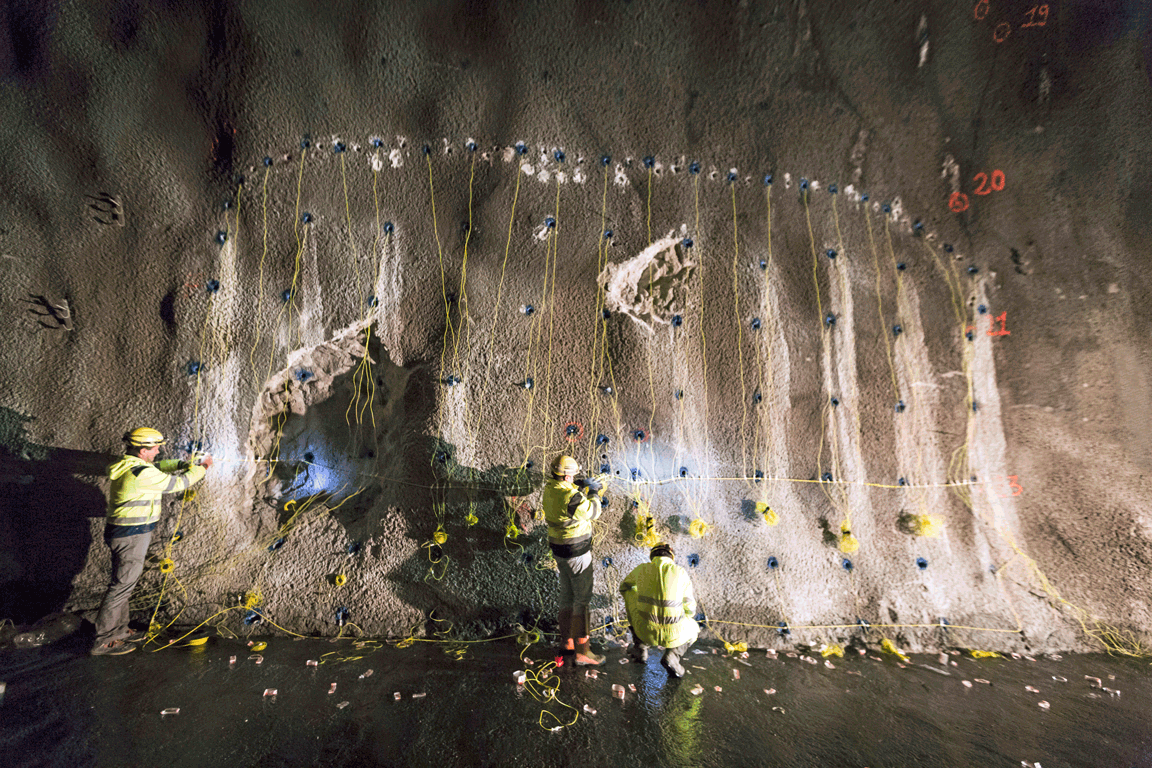
In the present scenario the explosives continue to play a vital role in tunneling worldwide, especially in challenging geographical conditions.  The use of explosive in Nepal initially started for basic operations such as mining, road construction etc, in the mid 20’s. For tunnel excavation, Nepal mostly uses the drill-and-blast technique. This involves drilling holes into rock faces and detonating explosives to fragment the rock. While this method was effective, this method can lead to challenges such as over breaking of rocks especially in jointed or fractured rock formations that leads to increasing the cost as well as poses safety risk.

As of 2025, Nepal employs various types of explosives in it’s tunneling projects, particularly for hydropower and infrastructure development. The selection of explosives materials such as detonators, initiating system, packed explosives and others is influenced by geological conditions, project scale, and availability.  Challenges are still yet to be overcome in complex geological structures in Nepal. To mitigate this limitation of traditional method, Nepal is gradually adopting Tunnel Boring Machine (TBM) for tunnel excavation. TBM can be the most efficient method of tunneling as Nepal has a critical structure, TBM can help in completion of projects in less period with safety and less environment impact.  
READ MORE
element
News
May 19, 2025 By mmsmccom

Controlled Blasting in Tunneling: Techniques and Explosives Selection

Nepal, with its rocky topography and rapidly growing infrastructure needs, has seen a significant rise in tunneling projects, particularly for hydropower, road tunnels, and water supply systems. Given the country’s mountainous terrain and complex geology, controlled blasting has become a critical method for safe and efficient tunnel excavation. In various underground projects, blasting must be carried out with precision to ensure structural stability, protect surrounding environments, and minimize risk to workers and nearby communities. Therefore, controlled blasting, is not only a technical necessity but also a strategic choice in Nepal’s challenging tunneling environment.

The process of controlled blasting in Nepal starts with a detailed geological and geotechnical investigation. Nepal’s geology is diverse, consisting of hard rocks like granite in the Higher Himalayas, medium-strength rocks such as limestone in the mid-hills, and weaker formations in some regions. This geological variability makes site-specific blast design essential. Engineers drill a series of holes in specific patterns, cut holes in the center to initiate breakage, lifters at the bottom to break floor rock, and perimeter holes to define tunnel boundaries. The placement and spacing of these holes are optimized to match the rock strength and structure, minimizing overbreak and ensuring a smooth tunnel profile.

Key Techniques in Controlled Blasting for Tunnels

  1. Smooth Blasting – Used for creating stable tunnel walls by drilling closely spaced holes with light explosive charges.
  2. Pre-Splitting – Done before the main blast to create a fracture plane that helps control overbreak.
  3. Cushion Blasting – Similar to smooth blasting but used at the tunnel perimeter after excavation.
  4. Delay Blasting – Uses millisecond delays to sequence explosions, reducing ground vibrations.

The choice of explosives plays a critical role in the success of controlled blasting and must be tailored to the type of rock being excavated. In hard and massive rocks such as granite or basalt, high-energy explosives like emulsions or ANFO (Ammonium Nitrate Fuel Oil) are commonly used due to their high detonation velocity and energy output. Also, one of the most significant advancements in controlled blasting in recent years in Nepal’s tunneling industry, is the adoption of electronic detonators (Eds). These devices represent a major improvement over traditional initiation systems such as non-electric (NONEL)  or electric caps, providing millisecond-level precision, improved safety, and enhanced control over blast outcomes. The accuracy that electronic detonators provide is extremely beneficial for Nepal’s complicated geology. The use of modern blasting techniques support systems is crucial for maintaining tunnel stability during and after excavation.
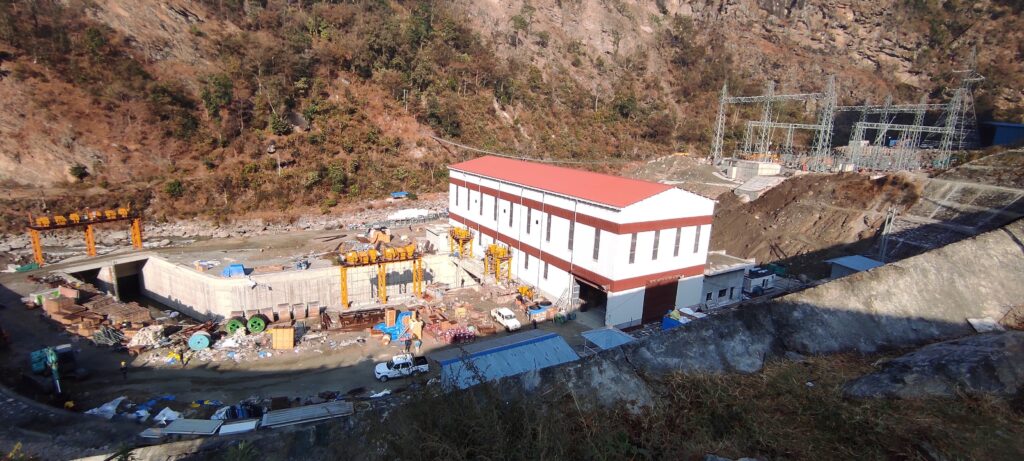
Control blasting is crucial in Nepal’s tunneling industry, given the nation’s growing need for infrastructure, especially for urban utilities and hydropower development. Controlled blasting in Nepal’s tunneling projects requires a deep understanding of rock mechanics and explosive properties. By selecting the right explosives—such as ANFO for soft rocks and dynamites for hard granites—and employing techniques like smooth blasting and delay sequencing, engineers can ensure safe and efficient tunnel excavation. With proper planning and execution, Nepal’s ambitious hydropower and road tunnel projects can overcome geological challenges while minimizing environmental and structural risks.

READ MORE
lower 3
PUBLICATIONSNews
April 15, 2025 By mmsmccom

Transformative Impacts: How lower Likhu Hydropower benefits in sustainable development

The Lower Likhu Hydropower Project (28.1 Mw) is runoff river type project located at Ramechhap and Okhaldhunga Districts. The total length of the tunnel is 4797 m, and the excavation of tunnel is done by traditional drilling and blasting process. MMSM helped overcome the challenges by supplying the necessary explosive technologies.


Project Overview:

Project Name

Lower Likhu Hydropower

Project Location

Likhu River

Project District

Ramechhap, Nepal

Project Capacity

28.1 MW

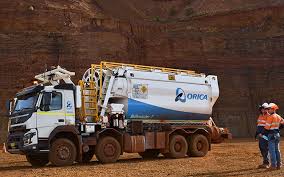
Various tunneling challenges were faced by this hydropower project due to complex geology in the Himalayan region such as high overburden pressure areas, rock bursts and spalling etc. MMSM worked effectively in the supply of explosives to this project, the supply of explosives such as detonators, detonating cords, non-electric detonators etc has led in timely completion of the project. MMSM used the product of ORICA, the worlds renowned manufactures of explosives. MMSM also provided necessary training and awareness about the sustainable ways of blasting without affecting the environment, management of the vibrations that disrupt the local and natural commodities.

Even though the challenges faced by this project such as local communities’ disruption, the project now has been sourcing for many benefits. Generating employment opportunities, boost of local business, water management, empowering the household and industries etc that helped in sustainable development of that area. MMSM as the explosive partner for this project takes pride in contributing to this impact through safer, smarter tunneling solutions.

READ MORE
hnd
PUBLICATIONSNews
April 1, 2025 By mmsmccom

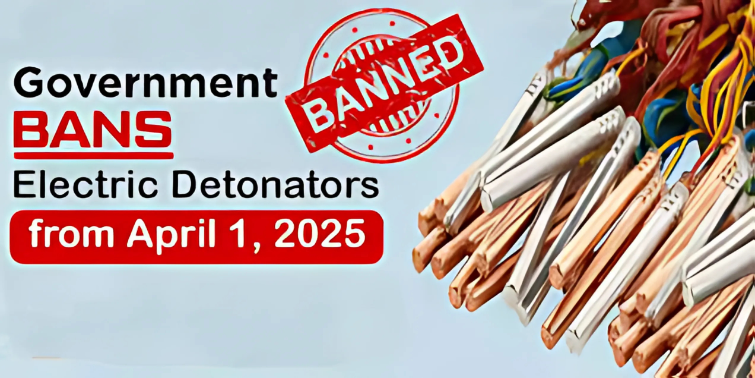
Cut in Supply of Electric Detonators by Mohanman Shaktiman

Starting April 1, 2025 the use of traditional electric detonators will be officially banned, marking a significant shift in the explosives industry. The ban aims to enhance safety and efficiency by the use of electronic detonators, which offer more accuracy and reliability.

Government of India and Mohanman Shaktiman’s decision to phase out electric detonators marks a significant shift in the blasting industry, reflecting a global move toward safer and more technologically advanced alternatives. With the reduction in electric detonator supply, Mohanman Shaktiman will adopt to Orica’s electronic blasting systems. Orica, a global leader in explosives and mining solutions, offers cutting-edge electronic detonator technologies that provide advance safety, efficiency, and environmental benefits.

Comparing Electric and Electronic Detonators

FeatureElectric DetonatorsElectronic Detonators
SafetyHigh risk of accidental initiationResistant to EMI and stray currents
PrecisionMillisecond inaccuracyHighly precise timing
SynchronizationLimited control over sequencingAdvanced sequential blasting capability
Remote ControlNot possiblePossible with some systems
CostLower initial costHigher initial cost but more efficient in the long run

Electric detonators have been widely used in Nepal’s major infrastructure projects, such as hydropower development, road construction, and mining operations. These detonators help in controlled rock blasting, tunnel excavation, and site preparation. However, they come with significant risk such as accidental initiation, uneven blasting due to timing accuracy and so on.
To overcome such risk MMSM shift towards using electronic detonators in Nepal, through this Nepal’s projects can benefit from enhanced safety, improved blast accuracy, and better environmental control, ensuring efficient and hazard-free execution of large-scale construction and mining operations.

What Makes Electronic Detonators a Better Choice?

Electronic detonators, which are now set to replace electric ones, come with advanced features that improve overall blasting safety and effectiveness. Their advantages include:

  • Improved Safety: Electronic detonators use encrypted digital signals for activation, making them immune to accidental initiation by stray currents or EMI.
  • Higher Precision: They allow for millisecond-level timing accuracy, ensuring better fragmentation, controlled vibrations, and reduced fly rock.
  • Better Synchronization: They enable sequential blasting with high accuracy, which optimizes energy release and minimizes environmental impact.
  • Remote Monitoring & Control: Some electronic detonator systems can be programmed and monitored remotely, reducing the need for personnel to be near the blast zone.

In this critical but much-needed transition, MMSM will provide guidance and support in all aspects of change that impact the environment. Additionally, it will play a key role in logistics and the supply of innovative tunneling technology, ensuring the efficient and sustainable development of explosives and tunneling operations.

READ MORE
Nagdhunga
PUBLICATIONSNews
March 24, 2025 By mmsmccom

Nagdhunga Tunnel – MMSM contributions

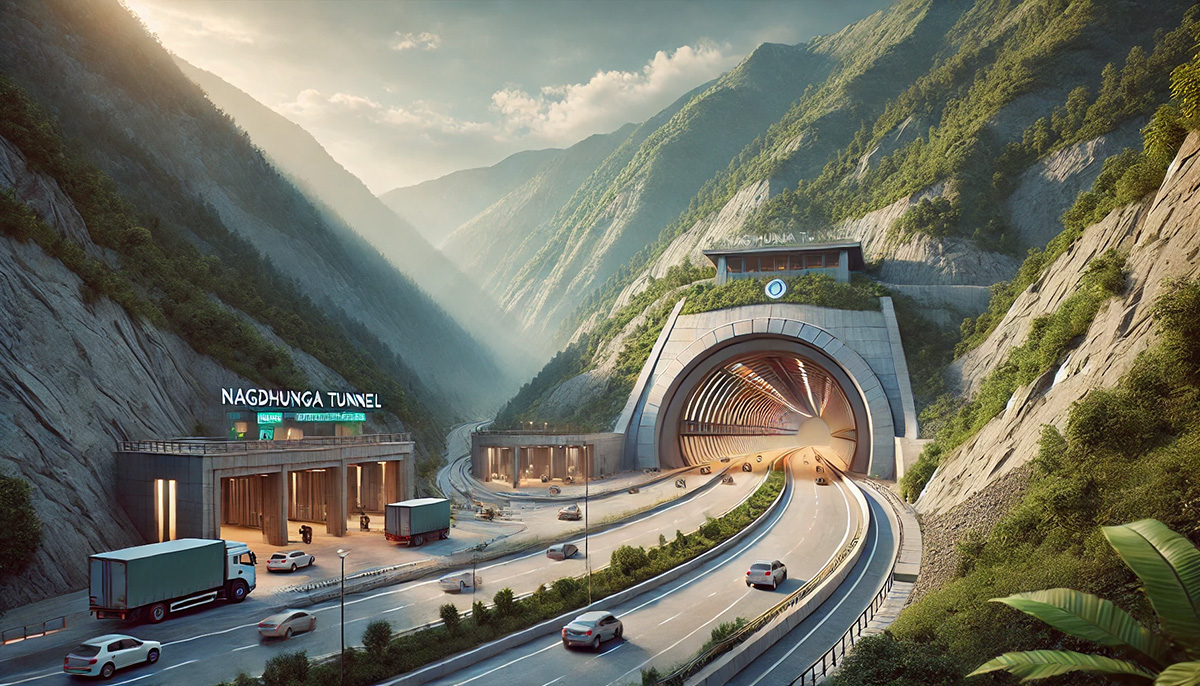
The Nagdhunga Tunnel, Nepal’s first mountainous road tunnel, is a 2.688-kilometer-long project aimed at improving the road connectivity. The project, which started in October 21, 2019  is designed to connect Nagdhunga Pass in Kathmandu to Sisnekhola in Dhading district and is part of the Tribhuvan Highway. The tunnel has a height of 8.3 meters and a lane width of 9.5 meters. Therefore, the Nagdhunga Tunnel Project is a game-changer for Nepal’s road infrastructure, aiming to reduce travel time, ease traffic congestion, and improve connectivity between Kathmandu and the western regions of Nepal.
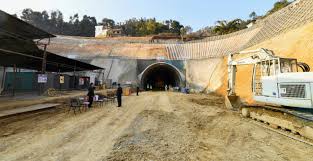
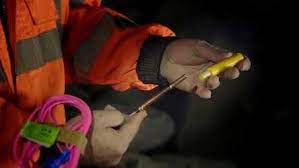
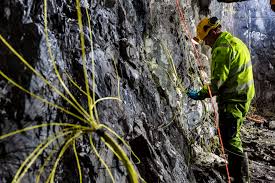
Since 1953 Mohanman Shaktiman (MMSM) has played a significant role in supply of raw materials (Cement, Steels, Explosives) for construction of Tribhuvan Highway, till today MMSM sourced for supply of new innovative technologies for construction of Naghdhunga Tunneling Project. Tunneling in mountainous terrain presents unique geological challenges. To ensure smooth progress,MMSM supplied high-quality explosives and explosive materials from Orica, World’s leading manufacturer of explosives and mining solutions and provide training facilities. Thus, this led to safe and controlled blasting to break through tough rock formation, timely excavation, and minimized environmental impacts.
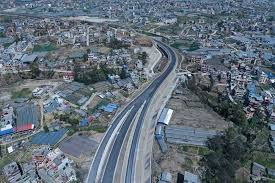
Even though the Covid 19 pandemic disrupted the logistics and supply chain worldwide. Despite this hurdles MMSM was committed to delivering materials on time, MMSM team worked relentlessly to ensure that the tunneling project continued without delays, recognizing its significance in enhancing Nepal’s transportation network.

Despite obstacles such as the COVID-19 pandemic, local challenges, geological difficulties, and environmental concerns, the Naghdhunga Tunneling Project is now in its final stage, with approximately 87 percent of the construction work completed. Even with the rapid progress of construction, it will take a year before the tunnel route is ready for vehicle operation. Once the project is completed it will take seven minutes to travel from Sisnekhola to Balambu. Additionally, the flyover towards Balambu is in its final stage, with about 97 percent of the work already completed. Thus, by the end of 2025, the tunnel is expected to be softly opened.
READ MORE
mmsmc.com
PUBLICATIONSNews
March 17, 2025 By mmsmccom

Enhancing Blasting Efficiency with Electronic Detonators

Blasting operations play a crucial role in mining, tunneling, and construction projects, where precision and control are vital for achieving optimal results. One of the most significant advancements in blasting technology is the use of electronic detonators, which offer highly precise delay timings. This precision directly impacts blast performance by reducing overbreaks, minimizing vibrations, and achieving greater pull and advance rates. Compared to traditional electric or non-electric systems, electronic detonators provide superior control over the blast sequence, leading to more efficient fragmentation and reduced material wastage.

One of the key advantages of electronic detonators is their ability to significantly reduce overbreaks. In tunneling and underground mining, excessive breakage beyond the intended blast perimeter can lead to structural instability and additional support costs. By ensuring millisecond-level accuracy in delay sequencing, electronic detonators help control the extent of rock breakage, preserving the integrity of surrounding structures and reducing the need for post-blast scaling and reinforcement. Additionally, the controlled energy release minimizes ground vibrations, which is critical in sensitive areas where excessive vibrations can damage nearby infrastructure or cause safety hazards.

Another major benefit of using electronic detonators is their ability to deliver greater pull and advance rates in blasting cycles. Traditional detonators often suffer from inaccuracies in delay timing, leading to inefficient energy distribution and uneven rock fragmentation. Electronic detonators, on the other hand, allow for optimized timing sequences, ensuring better rock displacement and improved face advance per blast. This leads to higher productivity, reduced downtime, and better overall cost efficiency in large-scale excavation projects.

From a safety perspective, electronic detonators offer substantial advantages over electric detonators. Unlike electric detonators, which are susceptible to stray electrical currents, radio frequency interference, and misfires, electronic systems provide enhanced security through encrypted communication and programmability. Additionally, electronic detonators allow for real-time diagnostics and verification before initiation, reducing the risks of unexpected failures or misfires. The improved precision and control over initiation sequences also minimize fly-rock incidents, making blasting operations safer for workers and surrounding environments. Overall, the shift towards electronic detonators represents a significant leap in both operational efficiency and workplace safety in the blasting industry.


READ MORE
banned
NewsPUBLICATIONS
March 11, 2025 By mmsmccom

Government of India to Discontinue Electric Detonators from March 30, 2025: A Safer, More Productive Future with Electronic

Detonators

The Government of India has officially announced the discontinuation of electric detonators, effective March 30, 2025. This decisive move is aimed at enhancing safety standards and improving blasting efficiency in mining, construction, and infrastructure projects. As industries transition to electronic detonators, Orica is at the forefront of this change, introducing its cutting-edge TigerDet Electronic Detonators along with an advanced Blaster system.


Why Shift from Electric to Electronic Detonators?

  1. Enhanced Safety

Electric detonators are prone to unintentional initiation due to stray currents, static electricity, and radio frequency interference (RFI). This poses a significant hazard in high-risk environments like tunneling and mining. Electronic detonators offer superior protection by eliminating these risks, ensuring controlled and precise initiation.

  1. Superior Accuracy and Precision

Unlike traditional electric detonators, electronic detonators provide microsecond accuracy in timing. This results in better fragmentation, reduced overbreak, and minimal vibration, which is especially crucial in sensitive projects such as tunnel construction.

  1. Higher Productivity and Cost-Efficiency

  The precision of electronic detonators ensures optimized rock breakage, reducing the need for secondary blasting and minimizing excavation costs. This leads to faster project completion, lower downtime, and improved overall efficiency.

Impact on Tunneling Projects in Nepal

Nepal’s infrastructure landscape is witnessing rapid transformation, with several ambitious tunneling projects underway. The adoption of electronic detonators will bring unmatched safety and efficiency to these projects. With improved blast control, tunneling in challenging terrains will become more predictable and environmentally friendly, reducing the impact on surrounding structures.

Orica’s TigerDet: Leading the Future of Blasting

To support this transition, Orica is set to launch TigerDet Electronic Detonators, a state-of-the-art solution designed to maximize safety and performance. The system will be complemented by a high-tech Blaster, ensuring smooth operation and reliable initiation.

Orica is also committed to training all customers in handling and using electronic detonators effectively. This initiative will equip industry professionals with the knowledge and skills required to ensure a seamless shift from electric to electronic systems.

Preparing for the Transition

With the deadline approaching, companies and contractors must take proactive steps to upgrade their blasting systems. Orica’s customer training programs will be instrumental in ensuring a smooth adoption of electronic detonators in compliance with regulatory changes.

The shift to electronic detonators is not just a regulatory requirement, it is a transformative step towards a safer, more efficient, and technologically advanced future in blasting operations. With Orica leading the way with TigerDet, the industry is poised for a significant leap in safety and productivity.

For more details on TigerDet and Orica’s training programs, stay tuned for upcoming workshops and demonstrations.

Are you ready for the transition? Contact Orica today to learn more about TigerDet and the future of safe and efficient blasting!

READ MORE
  • 1
  • 2
Search
Archives
  • November 2025
  • June 2025
  • May 2025
  • April 2025
  • March 2025
  • September 2024
  • August 2024
  • June 2024
  • May 2024
  • April 2024
Categories
  • News11
  • News4
  • PROJECT WORK1
  • PUBLICATIONS13
Popular Tags
hydropower license News Notice Project Publications
Gallery
Tech Support and Training
Mohanman Shaktiman (MMSM), we believe that providing exceptional products and services is only part of our commitment to our clients. To ensure the successful implementation and quality execution of our solutions, we offer comprehensive technical support and training programs designed to foster innovation and enhance skill development.
Mechanized Tunneling
July 2022. (Shannon Faulk)

Ready To Start Work With Us?

We work with a passion of taking challenges and creating new ones in advertising sector.

+977-01-5427223

Sunday – Friday
10:00 AM – 5:30 PM
Saturday: CLOSED
G e t   a   Q u o t e
Quick Links
  • Company
  • How it’s Work
  • Service
  • Case Studies
  • Pricing
  • Privacy Policy
  • Support
  • Press media
  • Careers
  • Contact
Search
Newsletter

Subscribe to our newsletter and never miss an update! Be the first to know about the latest trends, insights, and exclusive offers. Whether it’s expert tips, industry news, or special promotions, our newsletter delivers valuable content right to your inbox.

Copyright © 2021 Transmax by WebGeniusLab. All Rights Reserved