How to minimize explosive cost using smart blasting
Abstract:
Blasting operations in Nepal’s hydropower, road, and mining sectors are essential yet costly. A significant portion of explosive-related expenditure can be minimized through the application of smart blasting principles involving rock mass characterization, precision design, proper explosive selection, and post-blast analysis.
Introduction
The rapid development of Nepal’s infrastructure has led to increased use of explosives in civil engineering and mining. Traditional blasting methods often result in high costs, poor fragmentation, excessive overbreak, and safety risks. This article outlines how smart blasting practices can reduce explosive costs while maintaining or improving blast performance.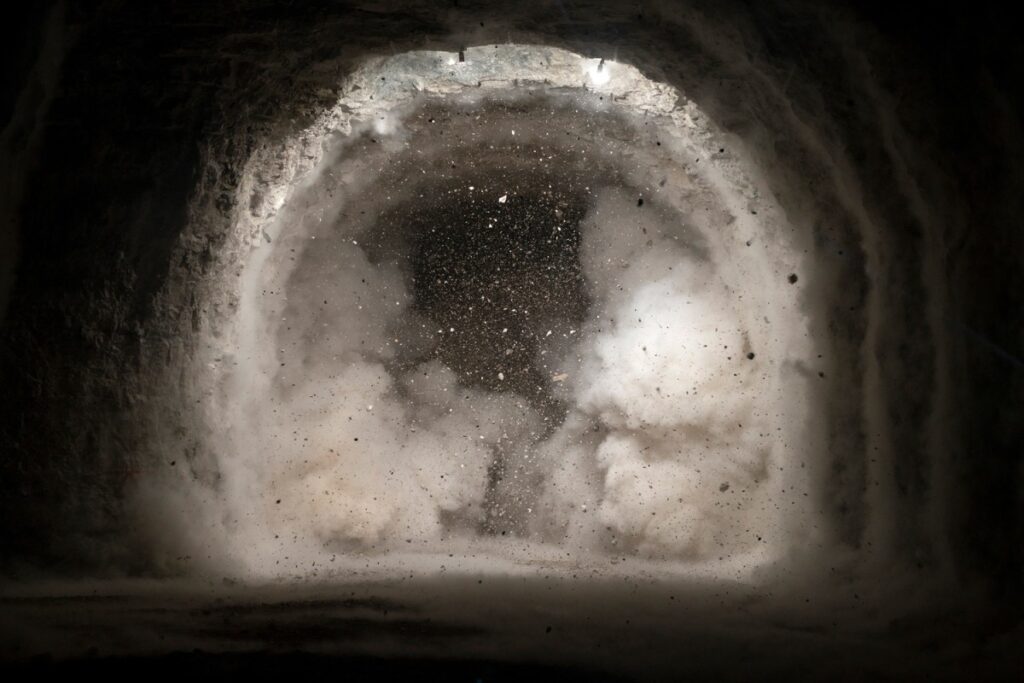
- Rock Mass Characterization
The selection and quantity of explosives must align with rock type and condition. Nepal features a diverse geological profile from hard rock formations to fractured weak rock layers.
- Hard, massive rock requires less energy for clean fragmentation.
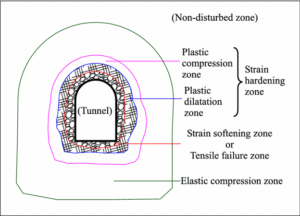
- Highly fractured or weak rock is susceptible to overbreak with conventional blasting.
Recommendation: Implement pre-blast rock classification using RMR or Q-system to optimize powder factor accordingly.
- Blast Design Optimization
Modern blast design involves accurate planning of burden, spacing, hole depth, and initiation timing.
- Use tools like SHOTPlus, AUTOCAD, or OTHERS software for simulation.
- Adjust burden and spacing based on bench height and rock type.
- Use decking in weak or mixed geological zones.
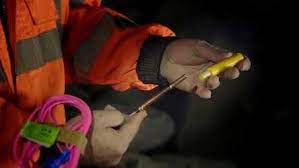
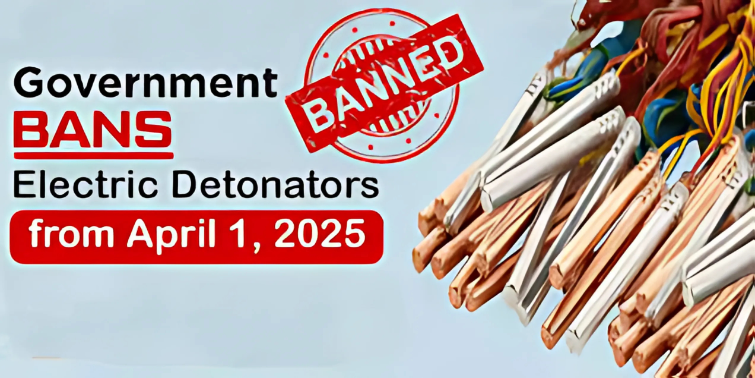
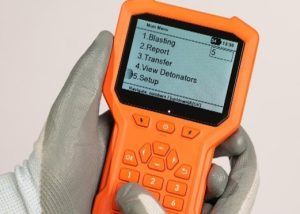
- Use of Delay and Electronic Detonators
Precision in initiation timing improves energy distribution, reduces overbreak, and enhances muck pile shape.
- Nonel (non-electric) or electronic detonators are recommended over conventional systems.
- Delay intervals that is milliseconds delay can significantly reduce vibrations and improve fragmentation for Surface
- Explosive Selection
The type of explosive should match site conditions:
Note: Always match explosive type with moisture conditions and desired energy output.
Explosive Type | Use Case | Cost Level |
ANFO | Dry and accessible sites | Low |
Emulsion | Water-bearing tunnels, shafts | Moderate |
Cartridge | Precise or restricted space | High |
- Blast Monitoring and Feedback
Post-blast evaluation should include:
- Pull efficiency
- Fragmentation analysis
- Vibration monitoring
- Overbreak volume
These metrics inform future adjustments, improving consistency and reducing cost per cubic meter.
- Logistical Considerations
Remote tunneling and hydropower project sites in Nepal face high transportation costs and logistical challenges in the supply of explosives. To address these issues while maintaining safety and efficiency, the following measures can be adopted:
Efficient and safe handling of explosives in remote tunneling projects requires careful planning of logistics. The main considerations include:
- Transportation Routes
- Mountainous terrain, narrow roads, and seasonal blockages (landslides, snow, floods) increase risks and costs.
- Vehicles should comply with explosive transport regulations and be equipped with fire extinguishers, warning signs, and safety gear.
- Security & Regulations
- Explosives transport requires coordination with local administration, police, and the Department of Explosives.
- Proper documentation, permits, and escorts are often mandatory.
- Storage Facilities
- Regional magazines & Bunkers should be located at safe distances from settlements, water bodies, and project offices.
- Facilities must meet licensing requirements, with fencing, guards, and blast-proof structures.
- Supply Chain Coordination
- Establish agreements with suppliers to ensure timely delivery.
- Minimize overstocking at site (safety hazard) and understocking (work delays).
- Synchronize blasting schedules with delivery timelines.
- Cost Management
- Transport to remote sites significantly adds to project cost.
- Bulk procurement and shared magazines across multiple projects can reduce expenses.
- Emergency Preparedness
- Contingency plans for accidents during transport or storage.
- Training of drivers, blasting crew, and security staff in emergency response.
Conclusion
Smart blasting is a multidisciplinary approach that blends field geology, engineering design, and modern technology. It is particularly suitable for Nepal’s variable terrain and infrastructure challenges.
Implementing smart blasting not only reduces direct explosive costs but also improves overall project efficiency, safety, and environmental impact.
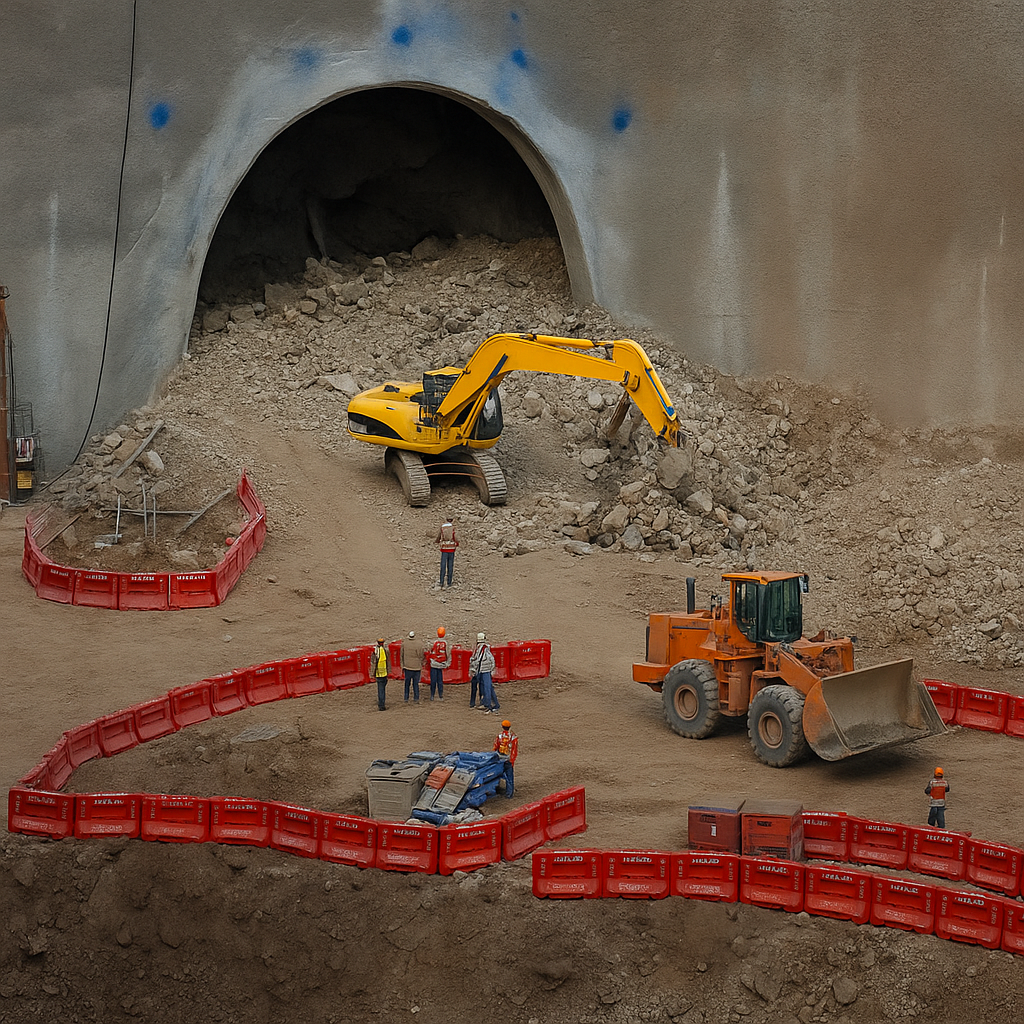

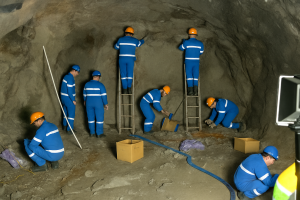 विस्फोटक राखेर विस्फोट गरिन्छ, जसले गर्दा चट्टान चूर्ण भई टुक्रा हुन्छ। यद्यपि यो प्रविधि कार्यक्षम भए तापनि, विशेषतः अस्थिर चट्टानी संरचनामा अत्यधिक चट्टान भत्किने (Overbreak) समस्या उत्पन्न हुन सक्छ। यसले निर्माण खर्च बढाउनुका साथै सुरक्षा सम्बन्धी जोखिम पनि बढाउँछ।
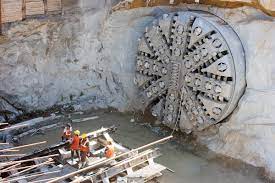 नेपालमा सुरुङ निर्माणको क्षेत्र उज्ज्वल सम्भावनाले भरिएको छ। जलबिद्धुत उत्पादन, यातायात व्यवस्था र अन्य आधारभूत संरचना विकासका परियोजनाहरूसँगै यस क्षेत्रमा आधुनिक प्रविधिको प्रचलन तीव्र गतिमा बढ्दै गइरहेको छ। यद्यपि प्रारम्भिक चरणहरूमा विस्फोटक प्रविधिको प्रयोग गरिएको थियो, तर अहिले संगसंगै आघुनीक प्रविधिको पनि प्रयोग हुदै आएको छ जस्तैः टनेल बोरिङ मेसिन (TBM)। यसले देशको दिगो आधारभूत विकासमा महत्त्वपूर्ण र टिकाऊ योगदान दिने अपेक्षा गरिएको छ।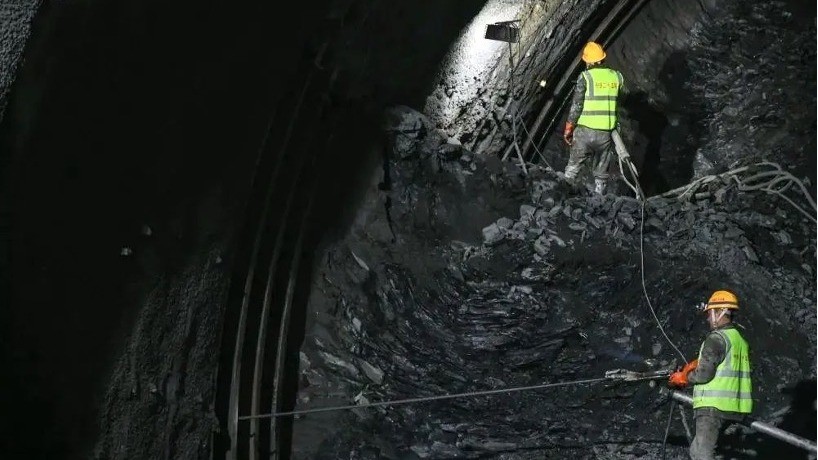
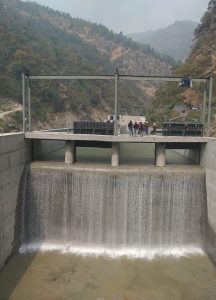 हिमाली भूभाग र जटिल भूगर्भीय बनावटका कारण, यस्ता परियोजनाहरूमा नियन्त्रित विस्फोटन (Control Blasting) एउटा सुरक्षित र प्रभावकारी खनन विधिका रूपमा प्रयोगमा आएको छ। यसको मुख्य उद्देश्य भनेको संरचनात्मक स्थिरता कायम राख्दै, वातावरणीय क्षति न्यूनीकरण गर्नु र कामदार तथा वरपरका समुदायको सुरक्षा सुनिश्चित गर्नु हो। यसैले, नेपालको जटिल भूपरिवेशमा नियन्त्रण गरिएको विस्फोटन केवल प्राविधिक उपाय मात्र नभई एक रणनीतिक विकल्प पनि बनेको छ।
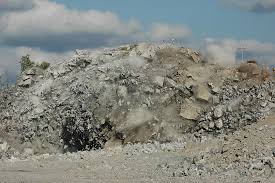 Emulsion) वा एएनएफओ (ANFO – Ammonium Nitrate Fuel Oil) प्रयोग गरिन्छ । यी विस्फोटकहरूको डिटोनेसन वेग (Detonation Velocity) र उर्जात्मक क्षमता उच्च हुन्छ ।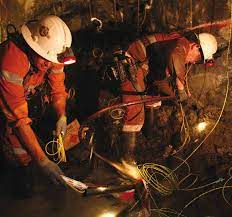
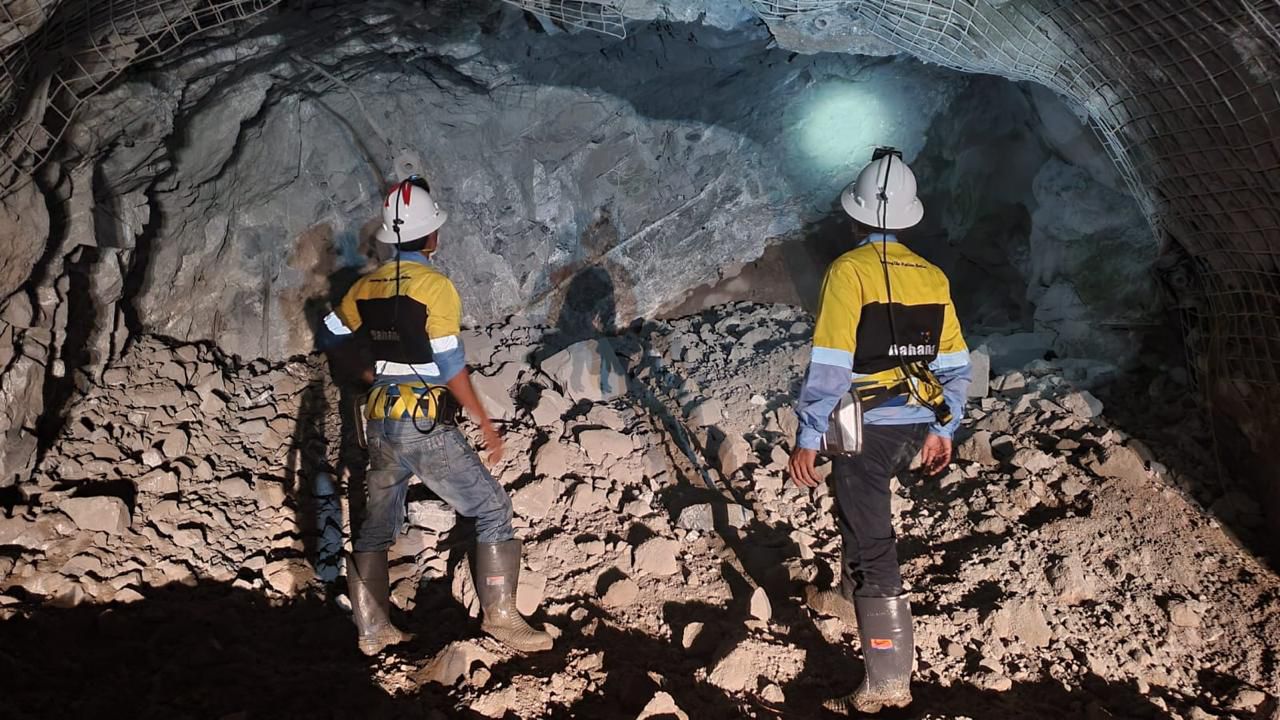
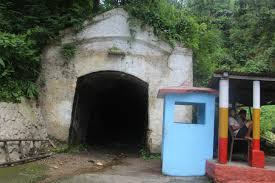 the people living. Tunneling in Nepal started in 1917 with the first tunneling project the Churia Tunnel which is a highway tunnel of 500 meters long that facilitate trade between Kathmandu and Raxaul. The use of underground space is not new and people in this country have used underground space for many years, with early miners digging small tunnels and caves to get minerals like copper, iron, lead, cobalt, nickel, and different colored stones. In recent past the tunneling activities have increased considerably in the country with the development of many medium scale hydropower projects.
 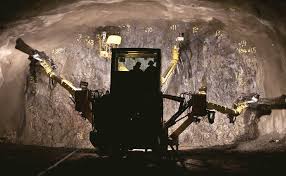 the excavation of tunnels and an underground powerhouse for the Tinau Hydroelectric Project near Butwal in 1970, marking the beginning of approximately 75 kilometers of tunnel construction. Numerous hydropower development projects have been implemented till date, along with the country’s first road tunnel construction project, the Nagdhunga Tunnel which is now nearing completion. In Nepal, major rivers originate in the Himalayas and hold substantial potential for hydropower generation. Moreover, the future of tunneling in Nepal looks promising with several ongoing and planned projects mostly related with transportation and Hydropower. These projects are indicating the growth in Nepal’s infrastructure development.
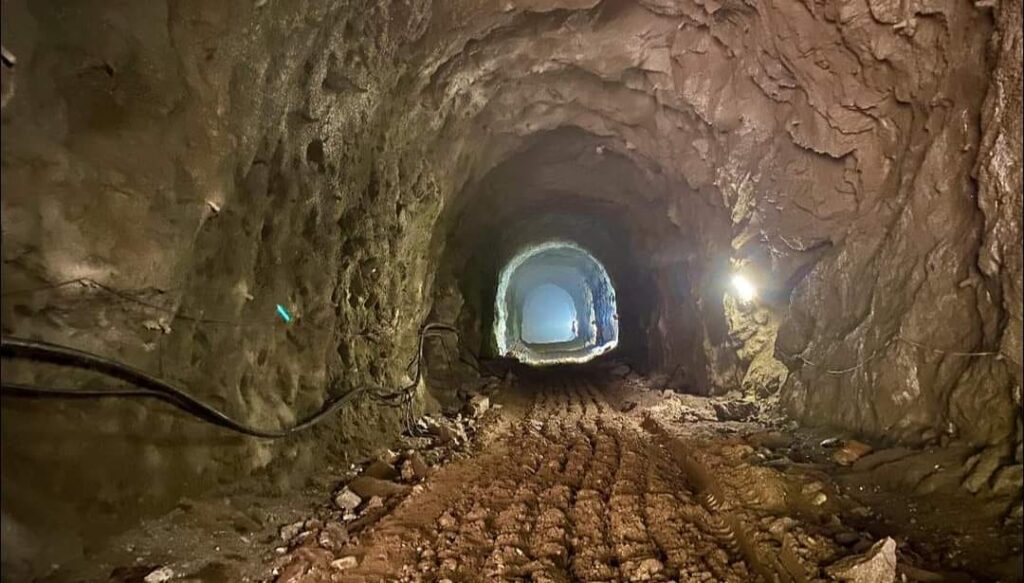
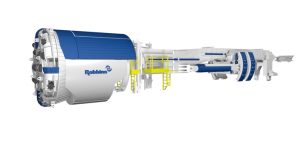 As of 2025, Nepal employs various types of explosives in it’s tunneling projects, particularly for hydropower and infrastructure development. The selection of explosives materials such as detonators, initiating system, packed explosives and others is influenced by geological conditions, project scale, and availability. Challenges are still yet to be overcome in complex geological structures in Nepal. To mitigate this limitation of traditional method, Nepal is gradually adopting Tunnel Boring Machine (TBM) for tunnel excavation. TBM can be the most efficient method of tunneling as Nepal has a critical structure, TBM can help in completion of projects in less period with safety and less environment impact.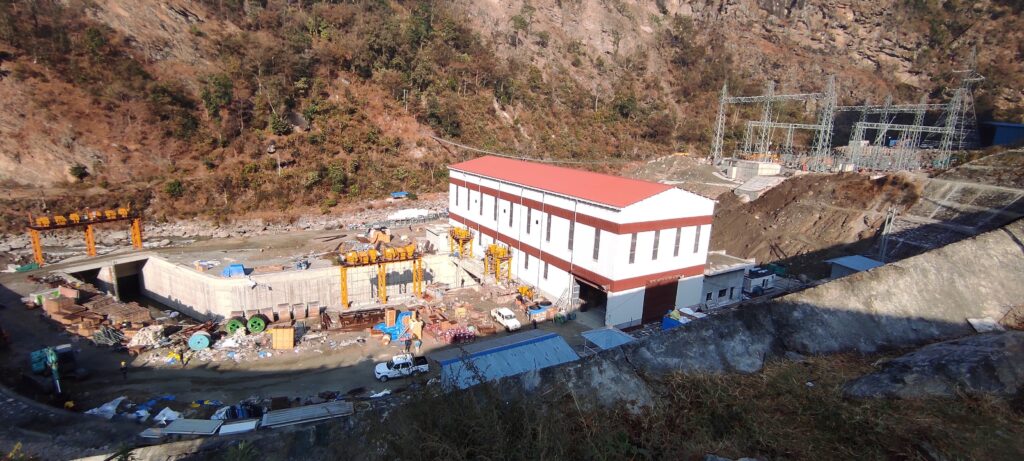
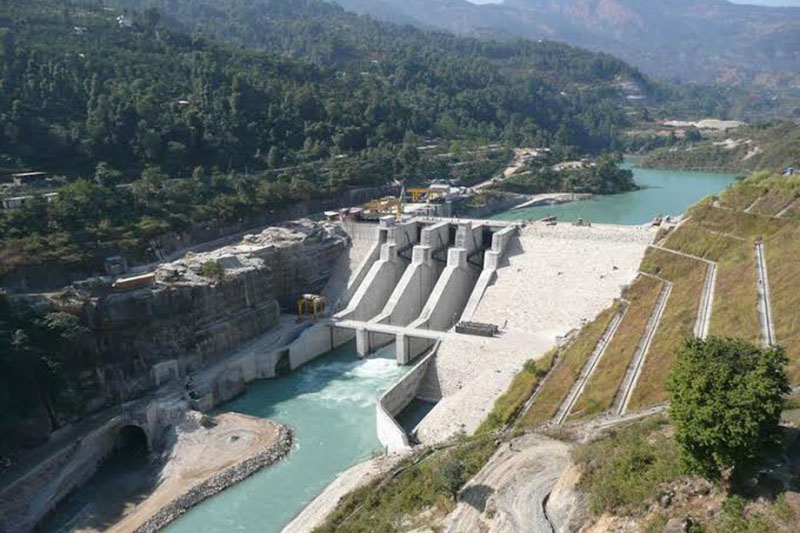
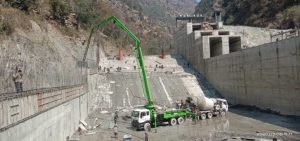 (28.1 Mw) is runoff river type project located at Ramechhap and Okhaldhunga Districts. The total length of the tunnel is 4797 m, and the excavation of tunnel is done by traditional drilling and blasting process. MMSM helped overcome the challenges by supplying the necessary explosive technologies.

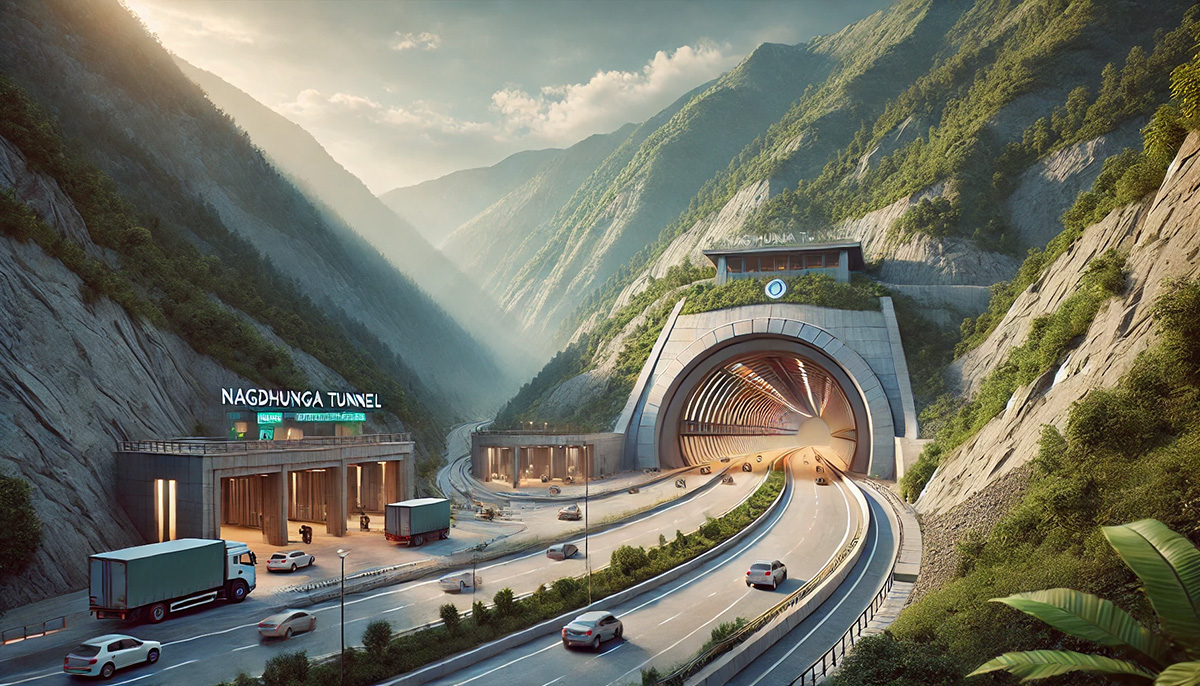
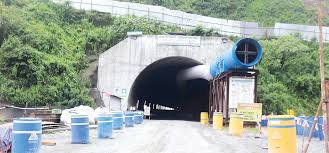 The tunnel has a height of 8.3 meters and a lane width of 9.5 meters. Therefore, the Nagdhunga Tunnel Project is a game-changer for Nepal’s road infrastructure, aiming to reduce travel time, ease traffic congestion, and improve connectivity between Kathmandu and the western regions of Nepal.
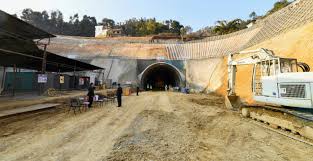 Thus, this led to safe and controlled blasting to break through tough rock formation, timely excavation, and minimized environmental impacts.
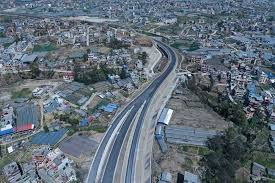 Naghdhunga Tunneling Project is now in its final stage, with approximately 87 percent of the construction work completed. Even with the rapid progress of construction, it will take a year before the tunnel route is ready for vehicle operation. Once the project is completed it will take seven minutes to travel from Sisnekhola to Balambu. Additionally, the flyover towards Balambu is in its final stage, with about 97 percent of the work already completed. Thus, by the end of 2025, the tunnel is expected to be softly opened.